Tung Oil vs. Linseed Oil on Spalted Maple: Which Pops Grain Best?
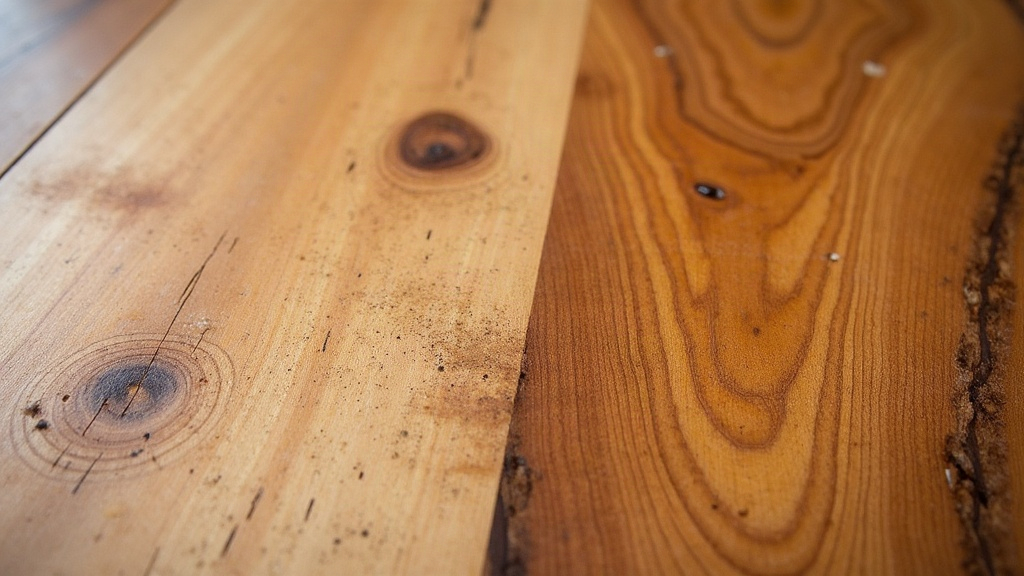
Tung Oil vs. Linseed Oil for Spalted Maple: Which Brings Out the Grain Better?
Spalted maple’s zone lines and streaky decay patterns deserve a finish that actually does them justice, and the two contenders everyone reaches for are tung oil and linseed oil. Here’s the short version: pure tung oil gives you a slightly warmer, more three-dimensional grain pop with better long-term durability, while boiled linseed oil (BLO) gets you faster, deeper amber saturation for less money but with weaker moisture resistance. Which one you pick really comes down to whether you care more about color depth or surface protection.
Why Spalted Maple Needs the Right Finish
Spalted maple gets its look from fungal decay: black zone lines, streaks of gray, brown or blue, sometimes soft “punky” patches where the wood has gone spongy. Because that decay leaves you with wildly uneven density across a single board, the wrong finish can cause real problems:
- Blotching on the softer, decayed sections
- Poor absorption in punky or spongy grain (it just sits there instead of soaking in)
- Washed-out contrast between the zone lines and the surrounding clean wood
That’s the reason oil finishes, which soak into the fibers instead of sitting on top like a film, get the nod over polyurethane and similar coatings for that crucial first coat.
Tung Oil: The Deep, Dimensional Pop
Pure tung oil (not the “tung oil finish” products, which are really varnish-and-solvent blends dressed up with a familiar name) cures inside the wood fibers into a low-sheen film with a faint plastic-like feel. On spalted maple it tends to:
- Add a warm, honey-amber cast without turning heavily yellow years down the line
- Build real depth and chatoyance, that shifting, almost holographic quality where the figure seems to move as you walk around the piece
- Keep zone lines crisp, since it doesn’t flood the lighter areas the way linseed can
- Cure harder and shed water better, which counts for a lot on punky spalted sections that are basically moisture magnets
The catch: pure tung oil wants multiple thin coats, often 4 to 6, with 24 to 48 hours of drying time between each one. Budget a week or more for a bowl if you’re doing it right.
Linseed Oil: Fast, Warm Saturation
Boiled linseed oil soaks in fast and gives you that near-instant “wet look” the moment it hits the wood, which is exactly why so many turners reach for it first just to preview what the spalting looks like.
- Delivers a darker, richer amber-to-honey tone, and gets there quicker than tung oil ever will
- Costs less and sits on the shelf of pretty much every hardware store
- Couldn’t be simpler to apply: wipe on, let it sit 15 minutes, wipe off
- Can oversaturate the lighter sapwood, which sometimes flattens the contrast between the dark zone lines and clean grain instead of enhancing it
The catch: BLO stays softer over time and lets moisture through more easily. It’s also more prone to mold in humid conditions, which is a bit ironic considering the wood is already a product of fungus. For anything functional, plan on a top coat of wax or wipe-on poly.
Side-by-Side Comparison
| Factor | Pure Tung Oil | Boiled Linseed Oil |
|---|---|---|
| Grain pop / depth | Excellent, dimensional | Very good, warmer/darker |
| Color tone | Amber, subtle | Deep honey/amber, richer |
| Cure time | Slow (days per coat) | Fast (hours) |
| Water resistance | Good | Fair, needs topcoat |
| Cost | Higher | Lower |
| Best for | Bowls, boxes, heirloom pieces | Quick projects, test pieces |
Which Should You Choose?
- Go with tung oil for turned bowls, pens, or furniture that will be handled, get near moisture, or stick around for the long haul. Its durability protects those punky spalted patches far better than BLO can.
- Go with linseed oil when speed matters more, say for a decorative piece, or when you want the biggest possible color reveal right away and don’t mind adding a protective topcoat afterward.
Plenty of finishers just use both. A linseed oil wipe first to pull deep color out of the grain, then a few thin coats of tung oil layered on top for durability, finished with a wax buff. And whatever you choose, test it on an offcut from the same board first. Spalted wood varies enormously piece to piece, even within a single blank, and those density differences change how much oil each area soaks up.
Conclusion
Both oils make spalted maple grain pop, no argument there, but tung oil generally wins on dimensional depth and durability, while linseed oil wins on speed and that immediate rich color. Finishing something functional that needs to last? Lean tung oil. Chasing the fastest, most dramatic color reveal for a display piece? Linseed oil is tough to beat.