Stop Flash Rust on Your Cast Iron Router Table in Humid Summers
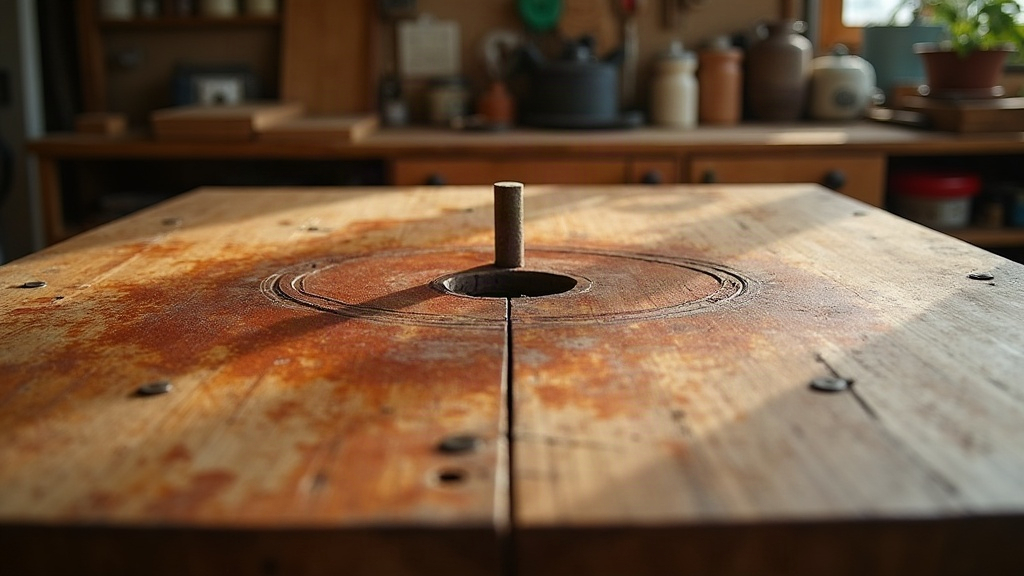
Flash rust can show up on a bare cast iron router table in a matter of hours during a sticky summer week, turning a smooth, dead-flat surface into a pitted orange mess practically overnight. The good news? With the right mix of sealing, humidity control, and a few daily habits, you can keep that table top rust-free through even the nastiest months. Here’s why flash rust happens in summer, and what actually works to stop it.
Why Cast Iron Rusts So Fast in Summer
Cast iron is porous at a microscopic level. Bare iron has zero protective barrier against moisture in the air, so once relative humidity climbs above roughly 60%, water molecules start condensing right into the metal’s surface pores. Add a few other factors to the mix and you’ve got trouble brewing:
- Temperature swings between an air-conditioned house and a hot, humid garage or shed
- Residual oils or sweat left behind from handling the table with bare hands
- Sawdust and resin buildup that traps moisture against the metal
Put those together and you get the perfect recipe for flash rust: a thin, fast-forming layer of oxidation that can etch into the surface before you even notice it’s there.
Daily and Weekly Habits That Matter Most
1. Wipe Down After Every Session
Even a quick pass with a dry microfiber cloth after routing removes sweat, moisture, and dust before any of it has a chance to settle in. Worked with wet or resinous wood, say, fresh pine? Follow up with a cloth lightly dampened in mineral spirits to cut through the sap and oils.
2. Apply a Quality Paste Wax or Rust Inhibitor
A thin coat of paste wax (Johnson’s Paste Wax works fine, or go with something purpose-built like Boeshield T-9 or TopCote) creates a hydrophobic barrier on the surface. In humid climates, treat this like a weekly chore, not a monthly one:
- Apply wax weekly instead of monthly
- Buff it out thoroughly. A thick, uneven coat just attracts dust and can gum up fence adjustments
- Reapply right away after any heavy sanding or cleaning session that strips the old coat off
3. Use a Vapor-Corrosion Inhibitor (VCI) Product
VCI papers, drawer liners, or spray treatments (CRC 3-36 and WD-40 Specialist Corrosion Inhibitor are two solid options) release a protective vapor that works its way into pores and crevices wax simply can’t reach. These earn their keep on router tables with insert plates, where moisture loves to hide in the gaps around the plate edges.
Controlling Shop Humidity
Surface treatments can only do so much if the air around your tool stays saturated. The target: keep your shop below 50% relative humidity.
- Dehumidifiers: A mid-size unit (30-50 pint) running on a humidistat setting keeps garages and basements consistently dry, no babysitting required.
- Air circulation: Something as simple as a box fan or ceiling fan stops stagnant, moisture-heavy air pockets from settling on metal surfaces.
- Insulation and sealing: Weatherstripping the garage door and sealing up gaps cuts down how much humid outside air sneaks in overnight.
- Monitor with a hygrometer: A cheap $15 digital hygrometer parked near your router table gives you real numbers instead of a guess.
Covering and Storing the Table Top
When the router table sits idle, especially overnight or during a multi-day humidity spike, a few things matter:
- Use a breathable cotton or flannel cover, never plastic. Plastic traps condensation right against the metal, which makes rust worse, not better.
- Storing it long-term (seasonal shop shutdown, for instance), step up to a heavier rust-preventive oil like G96 or Rem Oil and wrap the top in VCI paper.
- Keep the table away from exterior walls or garage doors, where temperature and humidity swings tend to be the most extreme.
What to Do If Flash Rust Already Appeared
Don’t panic. Light flash rust is purely cosmetic and pretty quick to fix:
- Grab a fine synthetic abrasive pad (gray or maroon Scotch-Brite) with a bit of mineral spirits
- Work in the direction of the casting’s grain, never in circles
- Wipe it clean, then immediately apply paste wax to seal the now-bare metal
- For rust that’s gone deeper, a rust eraser block or 400-grit wet/dry sandpaper followed by waxing brings back flatness without chewing up the precision of the surface
Conclusion
Flash rust on a cast iron router table isn’t some unavoidable fate. It’s a direct result of humidity, temperature swings, and moisture sitting untreated on bare metal, nothing more mysterious than that. Wipe the table down after each use, wax it weekly during the muggy months, run a dehumidifier to keep shop air in check, and store it under a breathable cover, and your table top will stay smooth, flat, and rust-free right through summer. A few minutes of upkeep each week beats the alternative: re-flattening or replacing a pitted cast iron surface, which costs a whole lot more than a can of paste wax.