Best Outdoor Wood Finishes for Adirondack Chairs in High-UV Climates
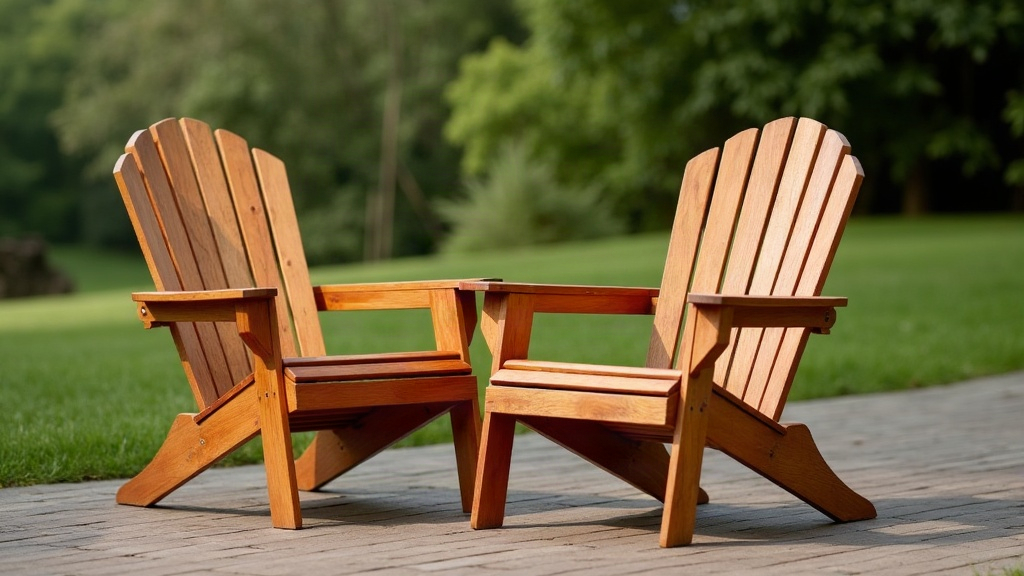
If you live somewhere with brutal sun (Arizona, Texas, Southern California, or any high-altitude desert climate), your Adirondack chair needs more protection than a basic clear coat. The best outdoor wood finishes for extreme high-UV climates are penetrating oil-based finishes with UV-blocking pigments or transparent UV absorbers, reapplied every 6-12 months. Why? Because clear film finishes crack and peel under intense sun, while pigmented oils fade gracefully and are simple to refresh.
Why High UV Destroys Ordinary Finishes
Sunlight attacks wood finishes two ways. UV radiation breaks down the resin binders, and heat speeds up the moisture cycling that makes wood swell and shrink over and over. In low-UV regions, a film-forming finish like spar varnish can hold up for 2-3 years without much fuss. In Phoenix or Las Vegas, that same varnish might crack and peel within a single summer. Here’s why:
- UV rays break molecular bonds in clear polyurethanes and varnishes, so they chalk, yellow, or flake off.
- Surface heat can climb past 140°F on dark-stained wood, effectively cooking thin film finishes from the top down.
- Rapid drying cycles yank moisture out of the wood much faster than in humid climates, which leads to checking and splitting if the wood isn’t also sealed against moisture loss.
This is the reason the finish strategy for a high-UV climate looks nothing like what you’d use in a coastal or temperate region.
Top Finish Categories That Actually Hold Up
1. Pigmented Exterior Oil Finishes (Best Overall)
Products like Sikkens Cetol SRD, Penofin Blue Label, or TWP 100 Series combine penetrating oils with UV-blocking pigments. Pigment is the key ingredient here. Clear or “natural” tones offer almost no UV protection, simply because there’s nothing in them to physically block the light.
- Pros: Penetrates instead of forming a film, so it won’t peel; easy to re-coat without stripping; pigment actively blocks UV.
- Cons: Alters wood color; needs reapplication every 6-12 months in extreme sun.
2. UV-Inhibiting Teak Oil Blends
Marine-grade teak oils with added UV absorbers, like Star Brite Teak Oil or Semco Teak Sealer, work well for lighter touch-ups between full refinishing cycles.
- Pros: Fast to apply, enhances grain, good for spot maintenance.
- Cons: Shorter lifespan than pigmented oils, often only 3-4 months in desert sun.
3. Hardwax Oils
Rubio Monocoat Exterior and similar hardwax oil systems have been gaining ground lately, since they combine oil penetration with a slightly tougher wax layer on top.
- Pros: Low-maintenance, doesn’t peel, simple spot repair.
- Cons: More expensive per application; still benefits from a pigmented tint if you’re in a serious UV zone.
4. What to Avoid
- Clear spar varnish or polyurethane: looks great for month one, then starts cracking and peeling by month six under intense sun.
- Clear UV-resistant sprays alone: fine as an extra layer on top of something else, but not a standalone fix for a chair sitting in full sun all day.
Application Tips for Maximum Lifespan
- Sand to 120-150 grit before the first finish application. Smoother wood resists water intrusion better.
- Apply in shade, early morning or evening, when surface temps sit below 85°F. Hot wood causes finishes to flash-dry on the surface instead of soaking in.
- Use two thin coats rather than one heavy coat, especially with oils, which need time to penetrate properly.
- Pay extra attention to end grain (arm fronts, leg bottoms). End grain absorbs and loses moisture fastest, and it’s usually where splitting starts first.
- Store or cover chairs during the hottest stretch (July-August in most desert climates) if you can swing it. Even a cheap canvas cover cuts UV exposure dramatically.
Maintenance Schedule for Extreme-UV Regions
| Climate Intensity | Recoat Frequency | Recommended Finish |
|---|---|---|
| Moderate sun (coastal, partial shade) | 12-18 months | Tinted teak oil |
| High UV (inland desert, high elevation) | 6-9 months | Pigmented penetrating oil |
| Extreme UV (Southwest desert, >300 sunny days/year) | 4-6 months | Pigmented oil + UV spray topcoat |
Here’s a quick, no-tools-needed test: run your hand across the armrest. If it feels dry or chalky, or if the wood color has visibly lightened, it’s time to recoat. Don’t wait around for cracks to show up, by then you’re already behind.
Choosing a Wood Species That Helps
Finish is only half the battle. Western red cedar, teak, and white oak naturally resist UV degradation and rot better than pine or fir, which means finishes simply last longer when applied to these species. If you’re building new chairs for a high-UV region, start smart: pick the right wood first, then layer on a pigmented oil finish for the strongest combined defense.
Conclusion
In extreme high-UV climates, the best outdoor wood finishes for Adirondack chairs are pigmented, penetrating oil finishes, not clear film coatings. They block UV directly through pigment, soak into the wood instead of peeling off it, and stay easy to maintain with a simple re-oiling every 6-12 months. Pair the right finish with a UV-resistant wood species, stick to a realistic maintenance routine, and your Adirondack chairs can stay good-looking and crack-free for years, even under the harshest desert sun.